
 English
 Español
 Русский
 العربية
 Français
 Deutsch
 Português
 Tiếng Việt
 ไทย
 Bahasa Indonesia
 Türkçe
 Italiano





If you are setting up a new factory building, upgrading your existing overhead crane, or looking for a reliable unit to handle regular material lifting inside your plant, an electric wire rope hoist is often the first practical choice for many workshop managers and equipment buyers.
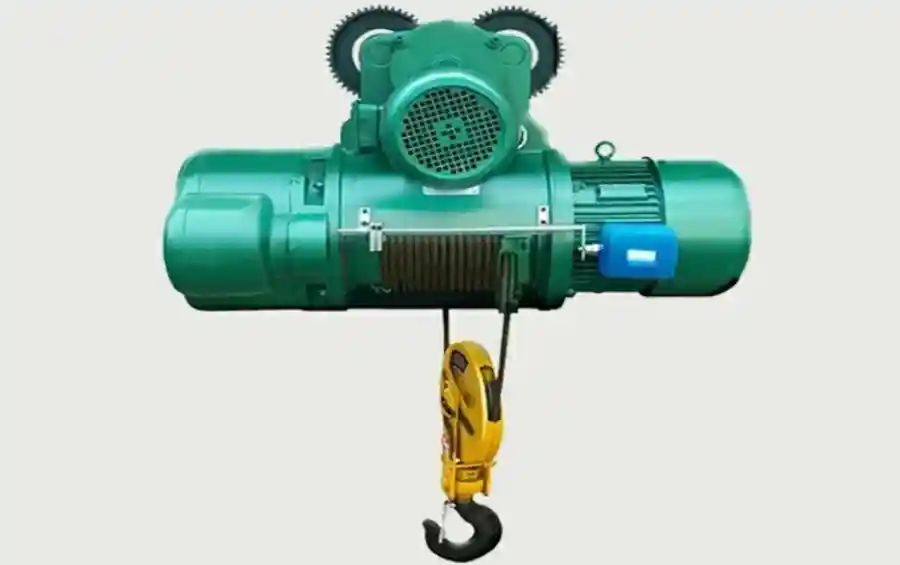
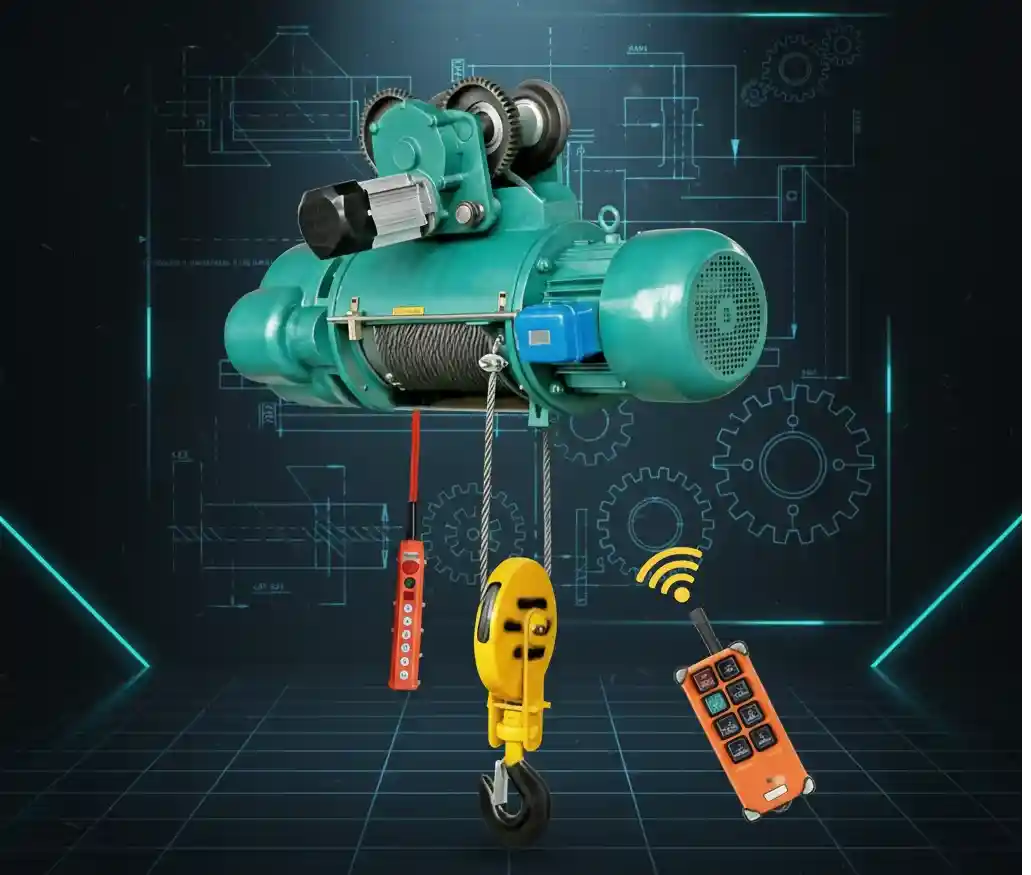
This hoist serves as the core lifting component that mounts directly onto single girder overhead cranes. It uses sturdy steel wire rope to raise and lower heavy loads, powered by a compact electric motor assembly. Compared with electric chain hoists, wire rope hoists deliver smoother operation for longer lifting heights and heavier continuous lifting tasks. They are built to handle heavy industrial workloads instead of only light, occasional lifting jobs.
Where do people use electric wire rope hoists?
You will find these hoists widely installed in manufacturing workshops, steel structure fabrication yards, metal processing plants, machinery assembly shops, and large indoor warehouses. Typical daily work includes moving steel profiles, casting parts, machine frames, finished heavy equipment, and production moulds. Most installations are indoor setups, paired with overhead crane girders so the hoist can travel horizontally across the full span of your workshop.
Key features to check before placing your order
1.Load capacity: Standard capacity ranges start from 1 ton up to 20 tons. Industry best practice is to select a rated load that is 15-20% higher than your maximum working weight. This extra margin protects your equipment and improves operational safety.
2.Lifting height: Fully customizable, from the basic 6m up to 30m or higher. You need to match this dimension to your workshop’s ceiling height and avoid hitting roof structures during lifting.
3.Working duty: Think about how many hours the hoist will run every day. Light duty suits intermittent use for a few lifts per day; medium duty works for 6-8 hours of daily continuous lifting. Heavy duty versions are available for non-stop production line use.
4.Built-in safety components: Overload limiter, upper and lower travel limit switches, and reliable brake systems. These standard safety parts stop overwinding of the wire rope and prevent sudden load dropping if power cuts out.
How to select the right electric wire rope hoist for your site?
Start with these 3 simple but critical questions before contacting any supplier:
-What is the maximum weight you will need to lift on a regular basis?
-What lifting height is required based on your workshop building?
-How many hours per day will the hoist operate?
Share these details with your supplier. If you already own an existing overhead crane beam, also measure and provide the beam width and your local power supply voltage. This step prevents you from receiving a hoist model that cannot fit your current crane structure.
Purchase & maintenance tips
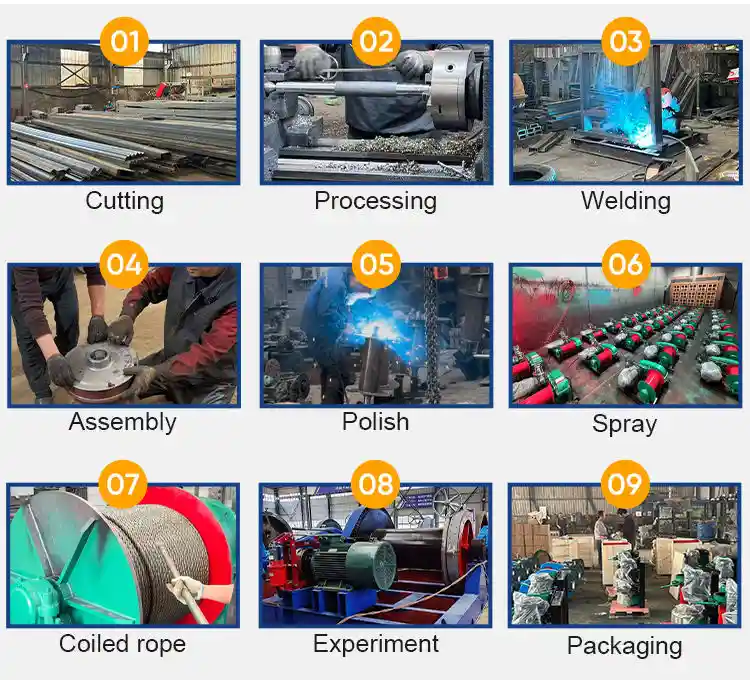
Electric wire rope hoists can stay in service for many years with simple routine maintenance. Inspect the steel wire rope regularly for wear, cracks or corrosion, and keep it lubricated following the operation manual. Before shipment, factory load testing can be arranged for your order to verify performance.
When you are ready for a formal quotation, send us your required tonnage, lifting height, working voltage and working duty. We will prepare the price, technical drawings and detailed specification sheet for you quickly.
If you want to make this content more suitable for social media release, work task mode can help polish headlines, match picture materials and complete layout, would you like to use it?