

 English
 Español
 Русский
 العربية
 Français
 Deutsch
 Português
 Tiếng Việt
 ไทย
ไทย
 Bahasa Indonesia
 Türkçe
 Italiano





In industries where flammable gases, vapors, or combustible dust are present, standard lifting equipment can pose severe safety risks. A single spark or hot surface can trigger a catastrophic explosion. This is where the Explosion Proof Electric Hoist becomes an indispensable asset. Engineered with specialized safety measures, these hoists provide reliable lifting capabilities while strictly preventing ignition sources in hazardous zones.
1. What is an Explosion Proof Electric Hoist?
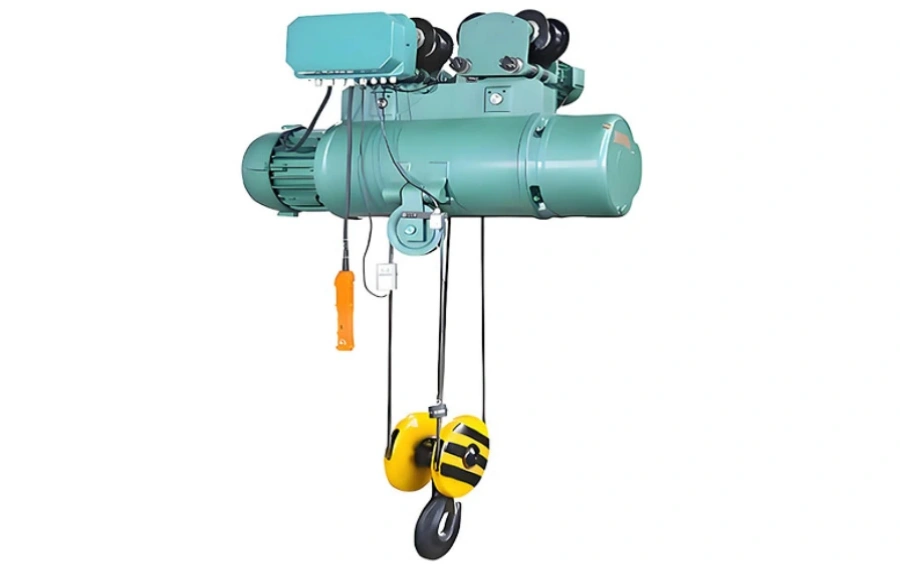
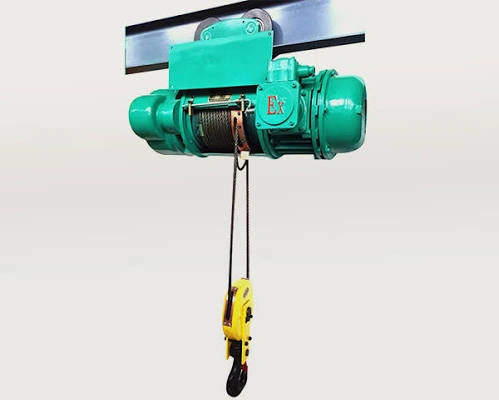
An explosion proof electric hoist is a specialized lifting device upgraded from ordinary electric hoists. It is specifically designed to operate safely in environments where explosive atmospheres may occur.
Rather than simply lifting loads, these hoists are built to prevent the "explosion triangle" (fuel, oxygen, and an ignition source) from completing. They achieve this through a combination of flameproof enclosures, spark-resistant mechanical components, and strict temperature control. They are typically classified under working zones such as Zone 1, Zone 2 (for explosive gases), and Zone 21, Zone 22 (for combustible dust).
2. Key Features and Advantages
Integrating explosion proof electric hoists into your facility delivers critical operational and safety benefits:
●Advanced Spark Prevention: All exposed mechanical parts are manufactured using non-sparking materials to prevent friction or impact sparks during operation.
●Strict Temperature Control: The hoist is designed to ensure that surface temperatures never exceed the specified limit (typically below 110°C or matching T4 temperature groups), preventing the ignition of surrounding gases.
●High Safety & Reliability: Equipped with dual braking systems, overload limiters, and explosion-proof limit switches, these hoists guarantee safe and precise load positioning.
●Robust Durability: The reinforced, thickened cast housings and sealed electrical components provide excellent protection against harsh industrial environments, including moisture and corrosive elements.
3. Ideal Applications and Hazardous Environments
Explosion proof electric hoists are mandatory in any facility handling volatile materials. Common applications include:
●Petroleum & Petrochemical: Oil refineries, gas extraction sites, oil depots, and liquefied natural gas (LNG) terminals.
●Chmical & Pharmaceutical: Plants producing or processing flammable chemicals, solvents, and active pharmaceutical ingredients.
●Grain & Food Processing: Flour mills, sugar refineries, and starch processing plants where combustible dust clouds can form.
●Mining & Military: Coal mining (non-excavation areas), ammunition manufacturing, and aerospace facilities.
4. Explosion Proof vs. Standard Electric Hoists: Manufacturing & Structural Differences
While they may look similar on the outside, explosion proof hoists differ significantly from standard hoists in their internal construction and manufacturing processes:
●Electrical Components & Enclosures: Standard hoists use regular motors and open electrical boxes. Explosion proof hoists utilize flameproof (Ex d) motors and control boxes. These enclosures are engineered with sufficient strength to withstand the internal pressure of an explosion and feature specialized flame paths to ensure any internal spark is safely contained and cooled before escaping.
●Mechanical Materials: Standard hoists use standard steel for gears, hooks, and chains. Explosion proof hoists replace critical friction points with non-sparking alloys (such as bronze, aluminum, or copper). For example, the trolley wheels, limit switch contacts, and hook pulleys are often made from spark-resistant materials.
●Surface Treatments & Coatings: To prevent static electricity buildup, explosion proof hoists often feature specialized anti-static surface treatments. The external parts may also be coated with spark-free protective layers to prevent sparks during accidental collisions.
●Wire Rope & Chain Protection: The wire ropes and chains in explosion proof hoists are specially treated or constructed to minimize friction sparks against the drum or sprockets.
Frequently Asked Questions
Q1: How do I know which explosion proof rating my facility needs?
A: The rating depends on your specific environment. Gas environments are typically classified as Ex d IIB T4 or Ex d IIC T4, while dust environments require DIP A20/A21 TA T4 ratings. Always consult your facility's hazardous zone classification before selecting a hoist.
Q2: Can a standard electric hoist be converted to an explosion proof hoist?
A: No. Explosion proofing requires fundamental changes to the motor, electrical enclosures, and mechanical friction points. Retrofitting a standard hoist is not safe or compliant with safety regulations.
Q3: Do explosion proof hoists require special maintenance?
A: Yes. Routine inspections are critical. Maintenance must ensure that flameproof gaps are not damaged, non-sparking components are not excessively worn, and electrical seals remain intact to maintain the explosion-proof integrity.
Contact Us
●Hazardous Zone Assessment: We’ll help you determine the exact Ex rating and temperature class required for your facility.
●Custom Lifting Solutions: From single-girder systems to automated explosion-proof cranes, we tailor solutions to your workflow.
●Certified Safety: All our hoists come with complete explosion-proof certifications and rigorous factory testing.