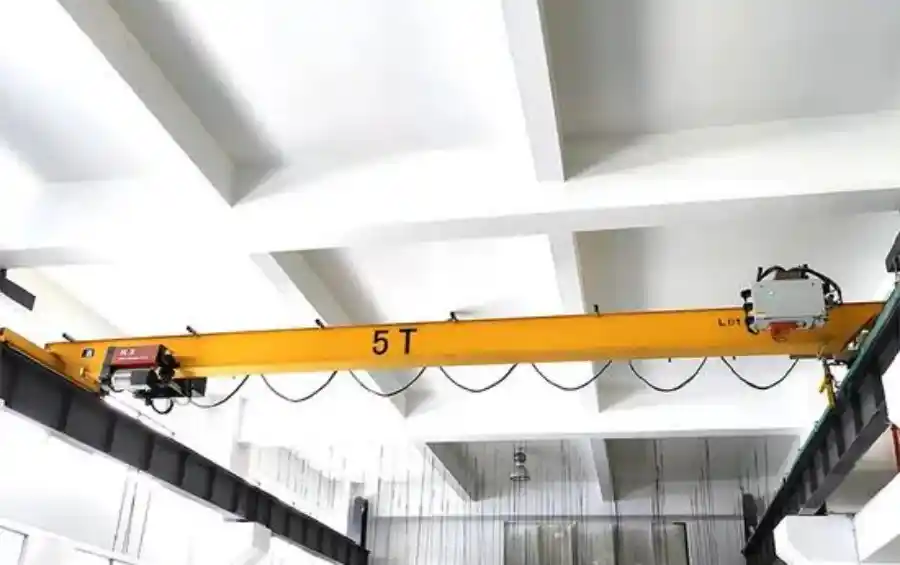






In industrial manufacturing and warehousing, not every lifting task requires massive, heavy-duty machinery. For facilities handling moderate loads with intermittent usage, the Light Duty Overhead Crane is the ultimate solution. Engineered to balance performance, safety, and affordability, this equipment streamlines workflows while keeping operational costs low.
This guide explores what defines a light duty crane, how it differs from lightweight models, its ideal applications, and the strategic advantages it brings to your facility.
1. What is a Light Duty Overhead Crane?
A light duty overhead crane is a compact bridge crane system designed for lifting and moving relatively light loads—typically ranging from 0.5 to 20 tons. The defining characteristic of a "light duty" crane is not necessarily its lifting capacity, but its working duty classification.
According to international standards (such as FEM, ISO, and CMAA), light duty cranes are classified under working classes A1 to A3. This means they are engineered for low-frequency, intermittent operations with long idle periods between lifts. They are the perfect fit for maintenance bays, assembly workshops, and small-scale production lines where lifting is required, but continuous heavy-duty cycling is not.
2. Light Duty vs. Lightweight: What’s the Difference?
The terms "Light Duty" and "Lightweight" are often confused, but they represent entirely different engineering concepts. Understanding this distinction is crucial for selecting the right equipment:
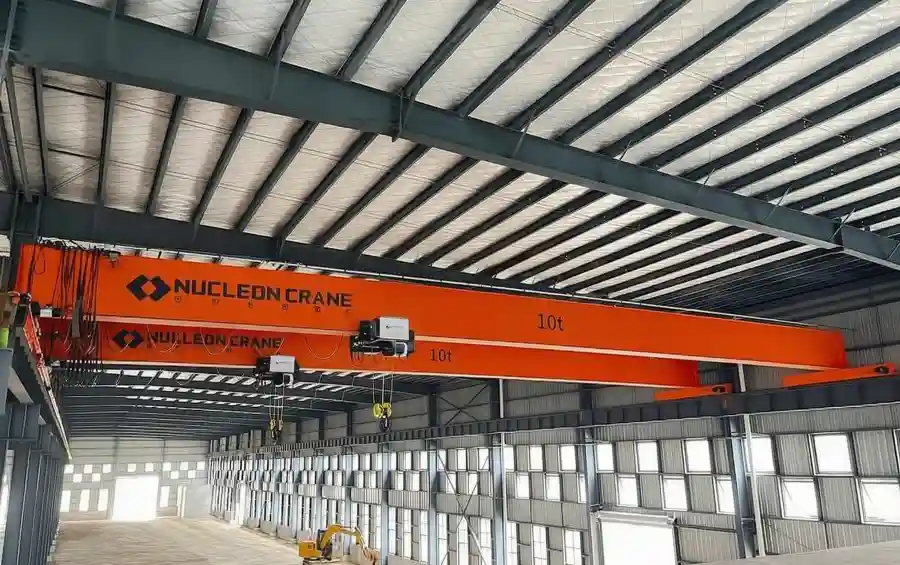
●Lightweight Overhead Crane: Defined by its physical mass and structural design. These cranes (often European-style HD cranes) are engineered to minimize self-weight through advanced modular design and high-strength materials. A lightweight crane can actually have a higher duty class (e.g., A5) for frequent use, but its primary advantage is reducing the structural load on the building and maximizing hook height.
●Light Duty Overhead Crane: Defined by its usage frequency and workload intensity (A1-A3 duty class). A light duty crane can still be structurally robust and weigh several tons, but it is designed to lift moderate loads infrequently. It is built for endurance over time, rather than continuous high-speed operation.
In short: "Light Duty" refers to how often and how hard you work the crane, while "Lightweight" refers to how heavy the crane itself is.
3. When Should You Use a Light Duty Overhead Crane?
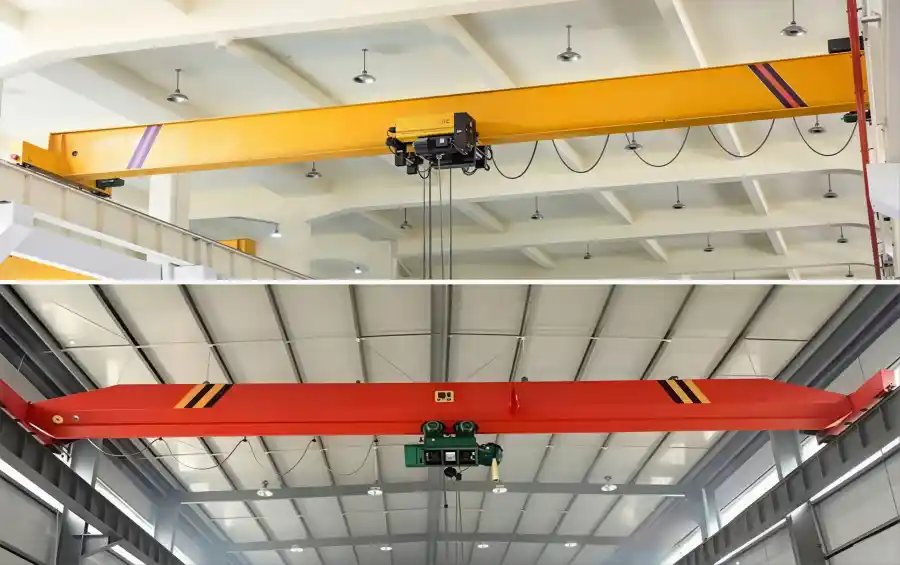
Light duty overhead cranes are highly versatile and are best suited for environments where lifting tasks are not continuous. Ideal applications include:
▪Machine Shops & Maintenance Areas: Lifting heavy motors, gears, or raw materials for periodic repairs and maintenance.
▪Warehousing & Logistics: Loading and unloading pallets, packaging, and light inventory in storage facilities.
▪Small-Scale Manufacturing: Component assembly, mold handling, and precise positioning of delicate parts (e.g., glass panels or electronic components).
▪Power Plants & Utilities: Serving as backup lifting equipment or handling infrequent turbine maintenance tasks.
4. Key Advantages for Your Business
Investing in a light duty overhead crane offers significant operational and financial benefits:
▪Cost-Effective Investment: With simpler structural designs (usually single-girder), lower manufacturing costs, and reduced energy consumption, they offer an excellent return on investment for moderate lifting needs.
▪Space Optimization: The compact structure and low headroom design maximize the usable lifting height within existing buildings, saving on costly facility expansions.
▪Enhanced Safety & Ergonomics: Equipped with precise control systems (pendant or wireless remote), these cranes eliminate manual lifting, reducing worker fatigue and preventing workplace injuries.
▪Low Maintenance Costs: Fewer moving parts and a less complex mechanical structure mean easier inspections, faster repairs, and lower long-term operational expenses.
Frequently Asked Questions
Q1: Can a light duty overhead crane handle a 10-ton load?
A: Yes. "Light duty" refers to the frequency of use (A1-A3), not just the weight. A light duty crane can easily be rated for 10 tons, provided the lifts are intermittent and not part of a continuous, high-speed production cycle.
Q2: Should I choose a single-girder or double-girder light duty crane?
A: For most light duty applications, a single-girder crane is the best choice due to its lower cost, lighter weight, and space-saving design. A double-girder light duty crane is only recommended if you require a very long span (over 20 meters) or exceptionally high lifting heights.
Q3: What control options are available?
A: Light duty cranes are typically operated via a floor-mounted push-button pendant or a wireless radio remote control. For added precision in assembly tasks, Variable Frequency Drives (VFD) can be integrated to provide smooth, micro-speed control.
Contact Us
●Free Load & Duty Cycle Analysis: We’ll assess your workflow to ensure you get the exact duty class and capacity you need without overpaying.
●Custom Configurations: From specialized lifting attachments to VFD controls, we tailor the crane to your exact workspace.
●Comprehensive Support: Enjoy peace of mind with our expert installation guidance, operator training, and global spare parts supply.