

 English
 Español
 Русский
 العربية
 Français
 Deutsch
 Português
 Tiếng Việt
 ไทย
ไทย
 Bahasa Indonesia
 Türkçe
 Italiano





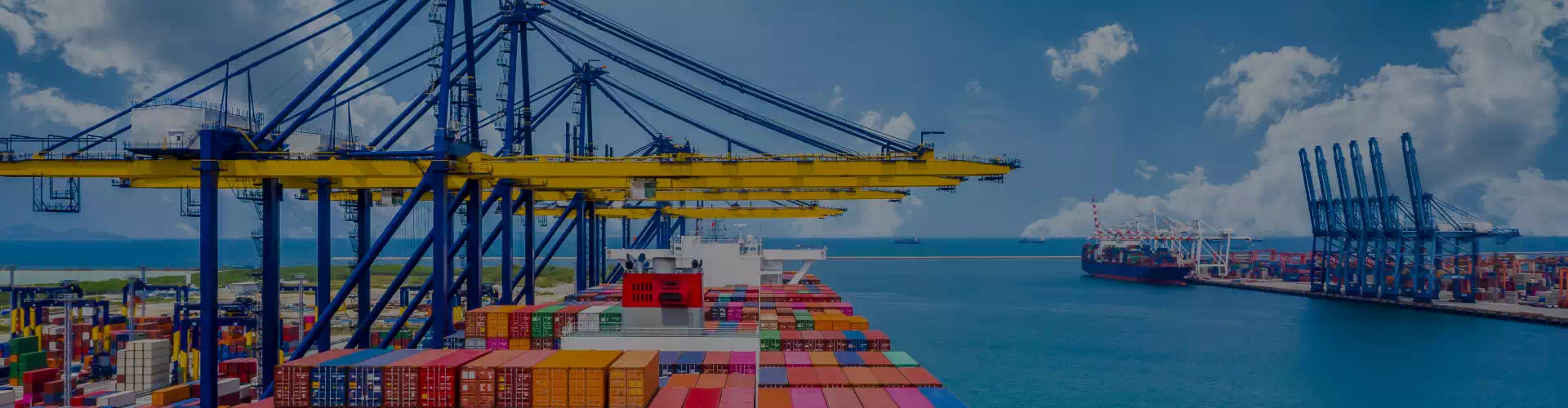
Plenty of overseas buyers running outdoor yards have run into a frustrating situation. You need a gantry crane to handle heavy workpieces out in the open, yet box‑beam gantry cranes bring two big headaches: huge dead weight pushes your sea freight way up, and solid beams catch lots of wind when there is no building shelter.
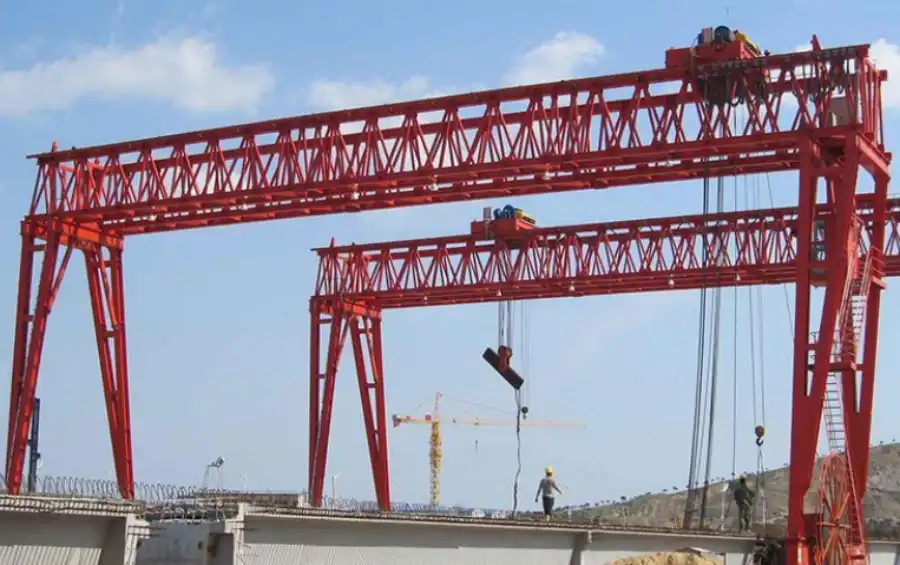
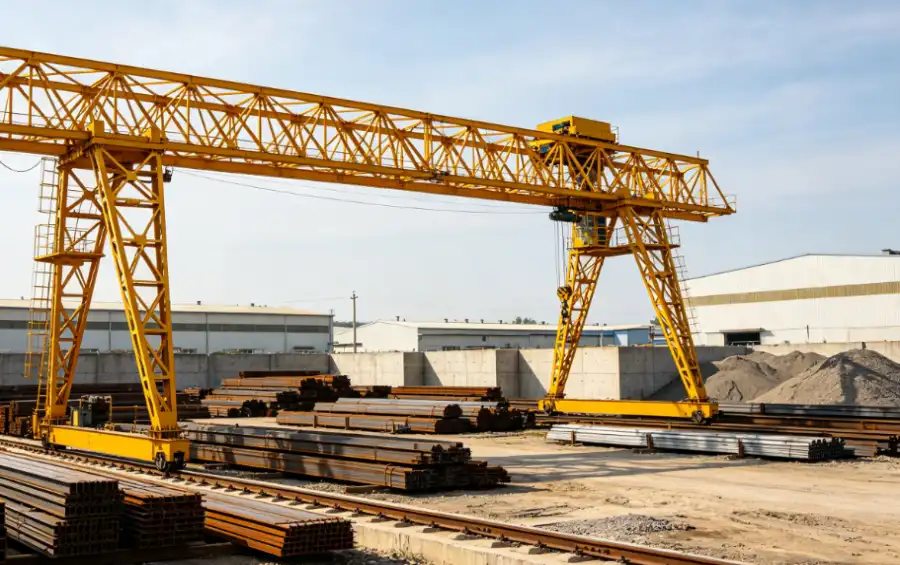
That is exactly why so many practical‑minded project managers pick truss gantry cranes. Instead of heavy closed box girders, it uses lattice truss construction. It cuts self‑weight without sacrificing lifting capability, handles windy open‑air conditions far better, and also helps you keep shipping costs under control.
1. What benefits you actually get from truss‑style design
We will skip over‑hyped sales language and walk through what you will notice on‑site day‑to‑day.
Great wind‑passing lattice design: Wind flows straight through the truss gaps. Compared to solid box girders, it suffers far less wind impact, critical for sites exposed to frequent strong gusts.
Lower shipping expense for oversea orders: Truss beams break down into separate bolt‑connected segments. Parts fit neatly inside standard shipping containers. You avoid high surcharges for over‑dimensional cargo.
Quick on‑site setup: Most connections use bolts instead of extensive field welding. Your crew can finish assembly and commissioning within much shorter time on your job‑site.
Easy regular inspection: Weld seams, connection points and moving components are fully exposed. Your maintenance team can spot potential issues without tearing apart large beam covers.
Solid payload performance: Even with lighter overall weight, it holds steady while lifting precast blocks, steel bars and heavy structural pieces.
2. Where do end‑users mostly deploy truss gantry cranes?
This crane shines when your workspace has no overhead building roof for protection. Typical real‑life use cases include:
Precast concrete factories: Moving pre‑cast beams, wall panels out in open production yards.
Steel material storage yards: Stacking and loading steel pipe, section steel and billets.
Bridge and infrastructure building sites: Lifting large construction components on site.
Overseas EPC & export projects: Buyers want to cut high costs for over‑size sea shipment.
Remote job sites: Locations without complete factory building enclosures.
One quick practical tip: If your location regularly sees strong seasonal winds, truss gantry crane is almost always the more practical pick.
3. Practical points to sort out before sending inquiry
Lots of buyers only tell us “I want a 20‑ton gantry crane”, missing key details that affect final equipment performance. Spend a little time confirming these points ahead:
Actual working load: Leave proper safety allowance. Do not match crane tonnage exactly to your heaviest piece.
-Working span: Measure exact distance between your planned rail lines.
-Required lifting height: Confirm hook maximum travel for your stacking or loading tasks.
-Local wind situation: Share typical maximum wind speed at your site; we can reinforce truss structure if necessary.
-Running mode: Rail‑mounted is standard for truss gantry; rubber‑tyre truss variant is available upon custom request.
-Site power specs: Supply your local voltage and frequency for correct motor configuration.
4. Custom add‑ons & things worth noting
Nucleon offers flexible custom configuration for truss gantry cranes. Common practical add‑ons include overload protectors, travel limit switches, emergency stop, and wind‑proof rail clamps.
Wind‑proof clamps are strongly suggested accessory. When work stops or heavy wind comes, clamps lock the whole crane firmly onto rails and prevent unexpected drifting.
If you cannot decide whether truss or box‑beam fits your yard better, send over your site photos plus basic specs. Our engineering group will work out a realistic proposal tailored to your actual working environment.