
 English
 Español
 Русский
 العربية
 Français
 Deutsch
 Português
 Tiếng Việt
 ไทย
ไทย
 Bahasa Indonesia
 Türkçe
 Italiano





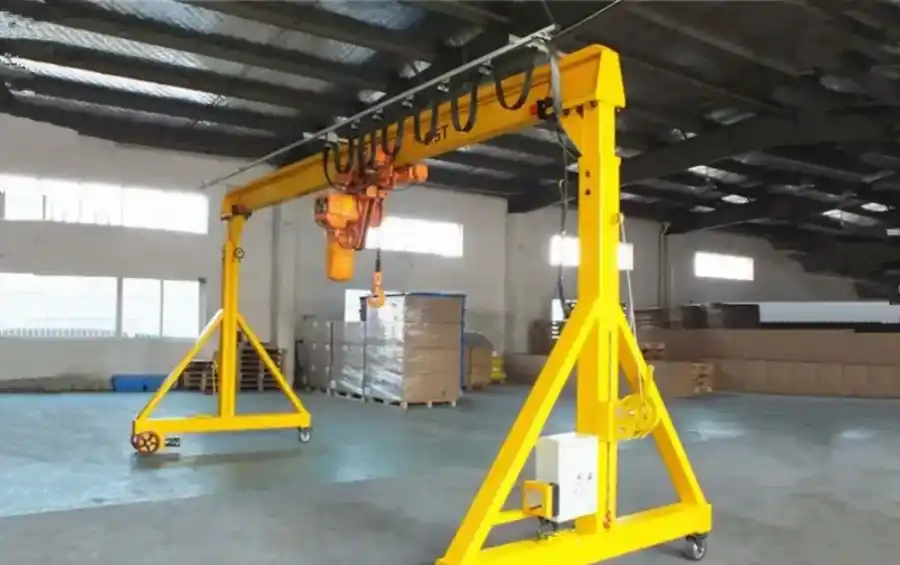
If you’re after a handy lifting solution and don’t want to mess around with complicated site modifications, a portable gantry crane is well worth checking out. Unlike big fixed gantry cranes that need concrete foundations and days‑long setup work, this mobile unit rolls straight over to where you need it. It sets up fast and handles most regular lifting jobs inside workshops, repair bays and temporary outdoor worksites.
Most portable gantry cranes come fitted with heavy‑duty lockable casters, plus adjustable height and span. They pair perfectly with electric chain hoists or wire rope hoists. You can wheel it across smooth concrete floors, move it to another work station, or take it apart and tuck it away when you don’t need it.
Core Benefits of Portable Gantry Crane
1.No foundation work required
No welding, no anchor bolts, no messy civil work at all. Two workers can get it fully assembled in 15‑45 minutes just with basic hand tools. This is ideal for rented factories where you’re not allowed to make permanent changes to the building.
2.Truly mobile, serve multiple work spots
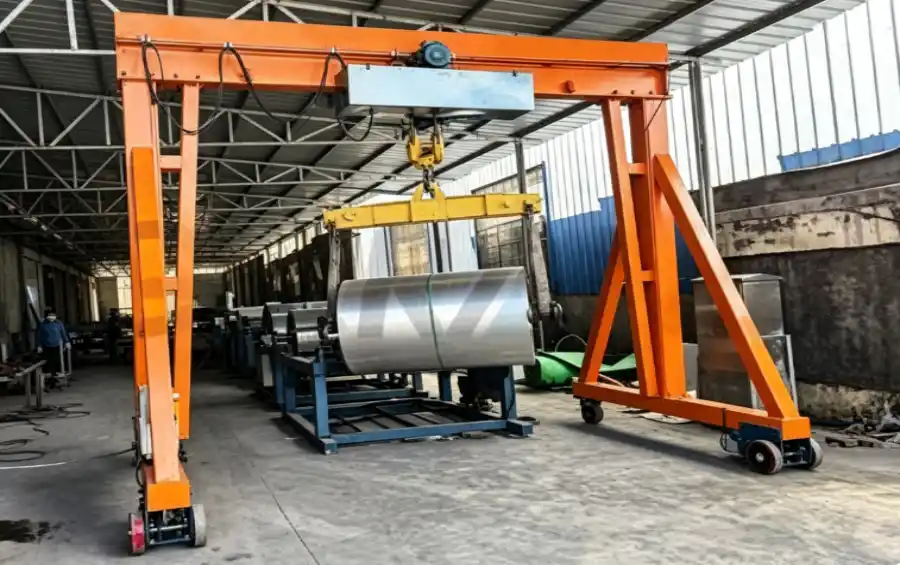
Lockable swivel wheels let you push the whole crane between assembly lines, repair areas and storage zones. Instead of buying several separate fixed lifting units, one portable gantry crane can cover many different work areas for you.
3.Adjustable to fit your actual site
Most models let you tweak lifting height and clear span on site. Match the dimensions to your workpiece size, door openings and low ceiling limits. You can pick either steel or aluminum build, depending on how much weight you need to lift and how often you plan to move it.
4.Great value for your budget
Purchase cost is much lower, and you skip all extra spending on foundation construction. Parts like casters and trolley components are easy to source worldwide, so maintenance won’t give you headaches. For occasional to medium‑frequency lifting work, it beats fixed overhead cranes on cost by a big margin.
Common Real‑World Application Scenarios
-Small & medium manufacturing shops: lifting motors, gearboxes and machine frames during assembly and repair
-Repair garages: removing and fitting engines for all kinds of machinery and vehicles
-Temporary on‑site jobs: auxiliary lifting for construction, equipment replacement work
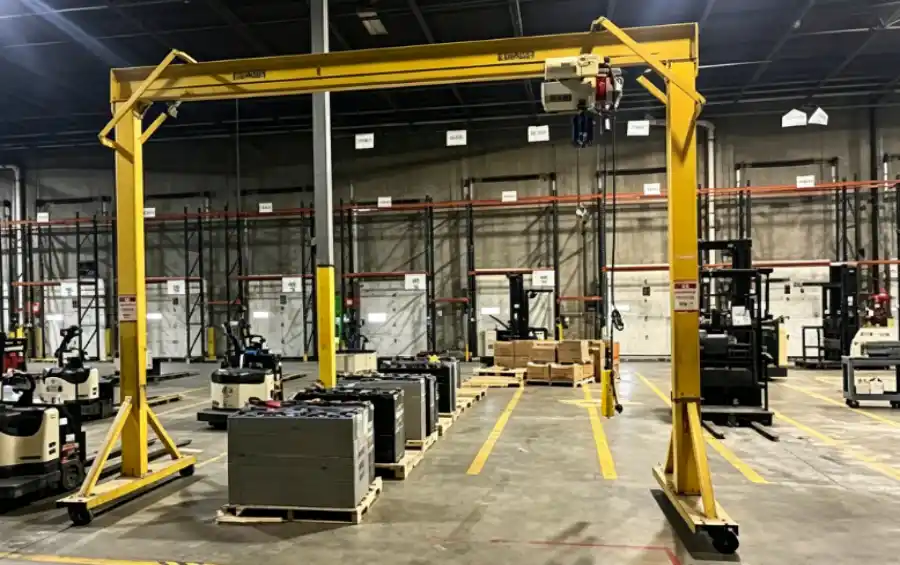
-Warehouses & logistics: moving heavy pallets and bulky parts when you don’t have a forklift handy
-Outdoor temporary works: works on flat solid ground in open‑air conditions
Steel VS Aluminum Portable Gantry Crane
Steel portable gantry crane: Higher load capacity, tough solid build, better price point but heavier overall. Most popular choice for 2‑10 ton lifting tasks inside workshops.
Aluminum portable gantry crane: Super light, easy for workers to shift around, good corrosion resistance, though it costs more. Perfect if you move the crane frequently, for light‑to‑medium lifting below 5 tons.
How To Pick The Right Portable Gantry Crane For You
1.Figure out your real maximum lifting weight — leave a safe margin, don’t just buy one exactly matching your heaviest part.
2.Measure your required clear span and lifting height, also double‑check door widths so you can move the crane through.
3.Choose your material: steel if it stays mostly in‑house for heavy jobs; aluminum if you relocate it very often.
4.Match with your hoist: electric chain hoist, wire rope hoist or manual hoist.
5.Check ground conditions: you need flat, solid concrete floor to keep it stable during operation.
Final Thoughts
If you want flexible lifting power, can’t make permanent changes to your building, or need to cover multiple work zones, a portable gantry crane is a really smart pick. It delivers reliable lifting performance without blowing your budget or giving you site‑restriction headaches.
If you need a custom‑built portable gantry crane with custom span, height or capacity, reach out to our engineering team for detailed quotations and technical suggestions.