
 English
 Español
 Русский
 العربية
 Français
 Deutsch
 Português
 Tiếng Việt
 ไทย
 Bahasa Indonesia
 Türkçe
 Italiano





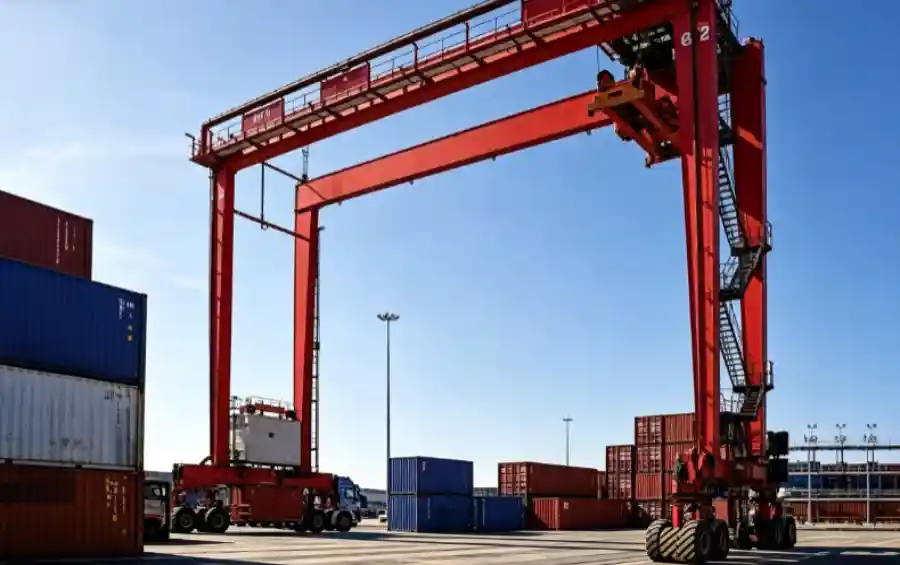
Rubber Tyred Container Gantry Crane is not for factory workshops. It targets real container logistics operators with dynamic, changing work zones.
You need this crane if:
You need this crane if your container yard layout changes seasonally based on import and export volume, you want to stack containers densely while reserving flexible truck passage space, you have limited budget and time for permanent rail track construction, you manage multiple small yard zones and need to move handling equipment across different areas, or you undertake both empty container turnover and heavy full container stacking work.
For fixed large ports with permanent layouts, rail gantry cranes work fine. But for flexible commercial container yards, rubber tyred container gantry cranes deliver far better ROI.
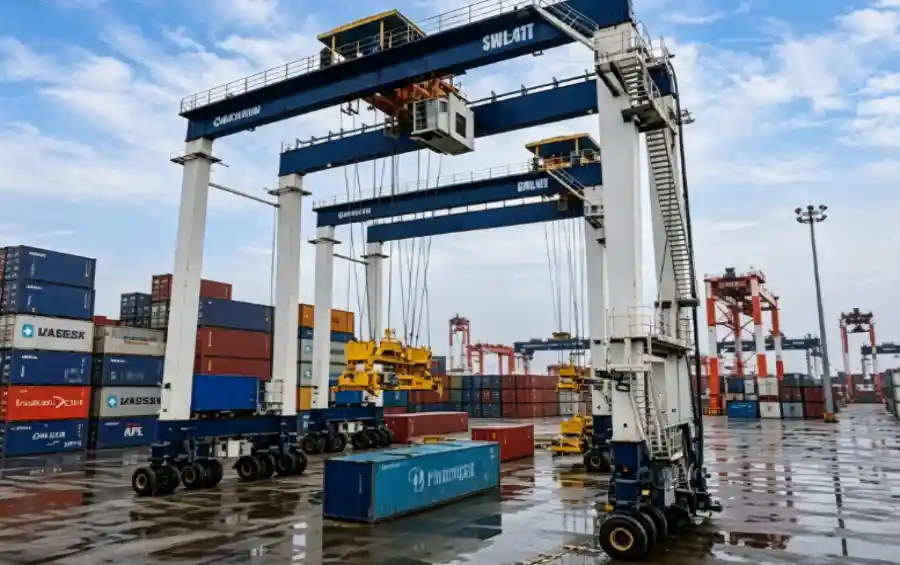
What Makes Rubber Tyred Container Gantry Crane Unique (No Generic Crane Features)
Most crane articles list generic points: “stable performance, safe operation, long service life”. Here we break down the container-only exclusive features that only RTG owners understand.
1. Zero track foundation = zero yard reconstruction cost
Standard container gantry cranes require precise rail installation, ground hardening, and long-term site planning. Rubber tyred models run directly on finished cement or asphalt yard surfaces. You can start operation immediately after equipment delivery. No civil construction delay, no extra ground investment, perfect for newly built yards or leased container depots.
2. Full yard mobility for dynamic container management
The heavy-duty solid rubber tire system supports straight travel, lateral movement and angle adjustment. When your container stacking area is full, or your truck loading zone needs to shift, you can simply drive the entire crane to a new position. You are no longer forced to stack containers only along fixed rail lines. This single feature increases your yard’s usable storage space by a large margin.
3. Container-specific anti-sway and positioning system
General gantry cranes only care about lifting stability. RTG cranes focus on container stacking accuracy. The professional container spreader locks 20ft and 40ft standard containers automatically. The anti-sway system minimizes container shaking during long-span movement, so containers can be stacked neatly in multiple layers without collision risk — a must for dense container storage.
4. Multiple power modes for different yard conditions
Yard power conditions vary a lot, so RTG cranes adopt adaptable power solutions. Full electric mode suits fixed yards with stable power supply for low operating cost. Diesel-electric hybrid mode balances fuel consumption and flexibility. Pure diesel mode works completely offline, ideal for remote temporary container yards with no grid power.
How to Pick the Right RTG Model for Your Yard (No Generic Selection Tips)
Forget complicated industry theories. Choose your rubber tyred container gantry crane based on your actual yard business model.
If you mainly do empty container turnover and short-term storage: choose standard configuration with economic power mode to cut operating cost.
If you handle heavy full container stacking and daily high-frequency loading: upgrade to heavy-duty structure and enhanced anti-sway system for stable long-term operation.
If your yard is temporary or frequently relocated: prioritize pure diesel mobile version with simple and fast deployment.
If you run a standardized green logistics depot: select full electric silent and zero-emission configuration.