

 English
 Español
 Русский
 العربية
 Français
 Deutsch
 Português
 Tiếng Việt
 ไทย
 Bahasa Indonesia
 Türkçe
 Italiano





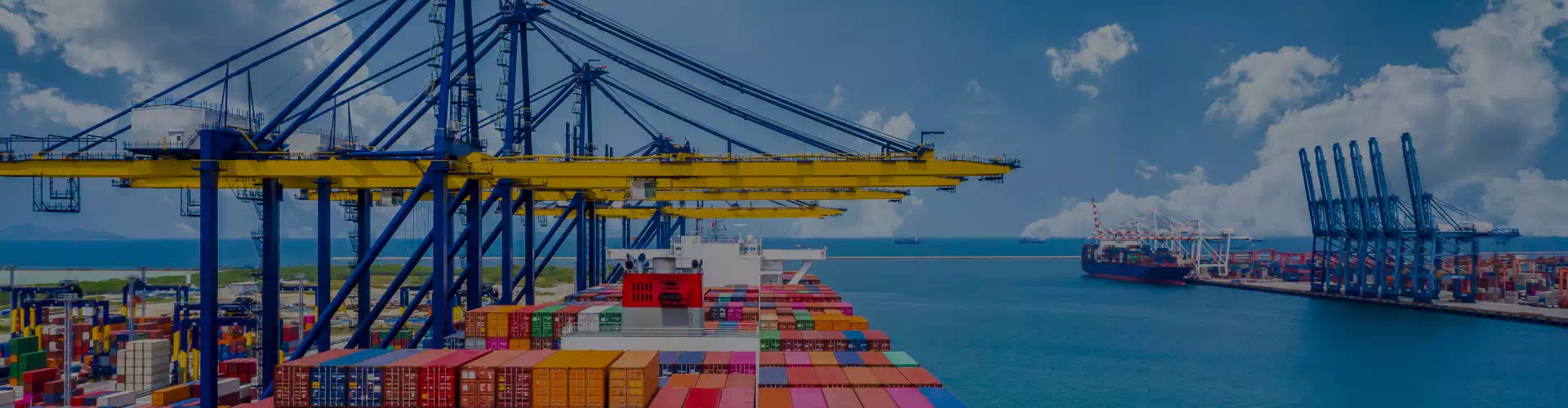
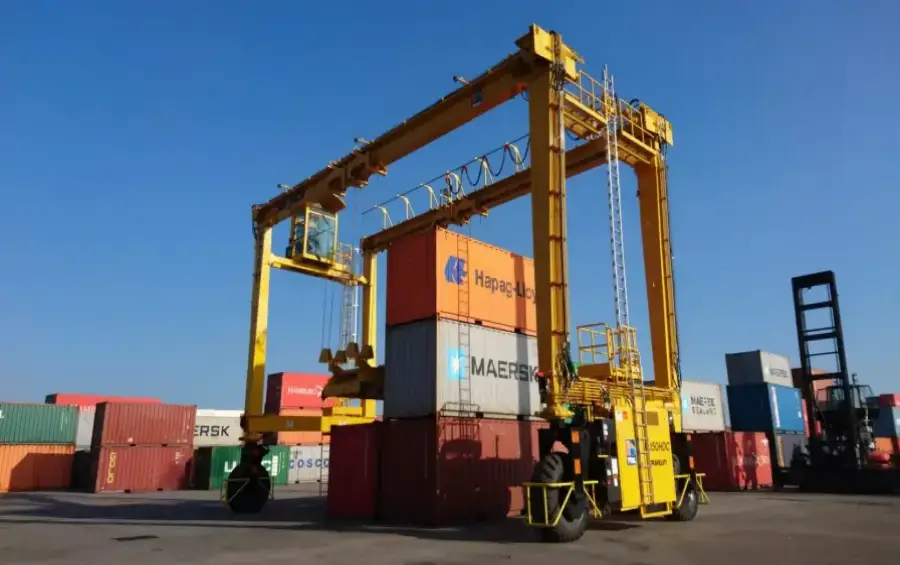
The Nucleon rubber tyred container gantry crane (RTG) is a mobile, double-girder container-handling crane for stacking and transferring standard containers in port yards, inland depots, and multimodal terminals. It travels on rubber tires instead of fixed rails, allowing block-to-block mobility and easier adaptation to changing yard layouts.
The crane is available with a rated lifting capacity of 30–65 tonnes and lifting heights up to 60 metres, depending on configuration. Power can be supplied by a diesel generator set or a cable reel system.
Where This RTG Fits?
Rubber tyred container gantry cranes are typically selected when a terminal needs mechanized container handling but does not require fixed rail infrastructure. Compared with rail-mounted gantry cranes, an RTG can relocate between yard blocks and serve multiple operating zones. Compared with reach stackers or mobile harbor cranes, it provides a wider span and higher stacking density for container blocks.
The trade-off is that rubber tires require a properly prepared paved surface and regular tire maintenance. Ground pressure and yard pavement condition should be confirmed during project planning.
Structure and Container Handling
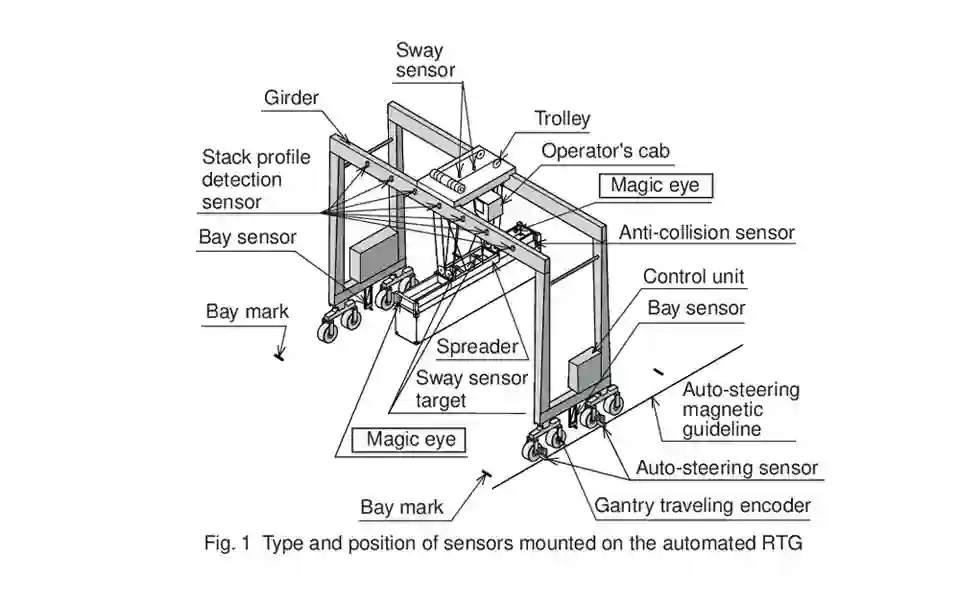
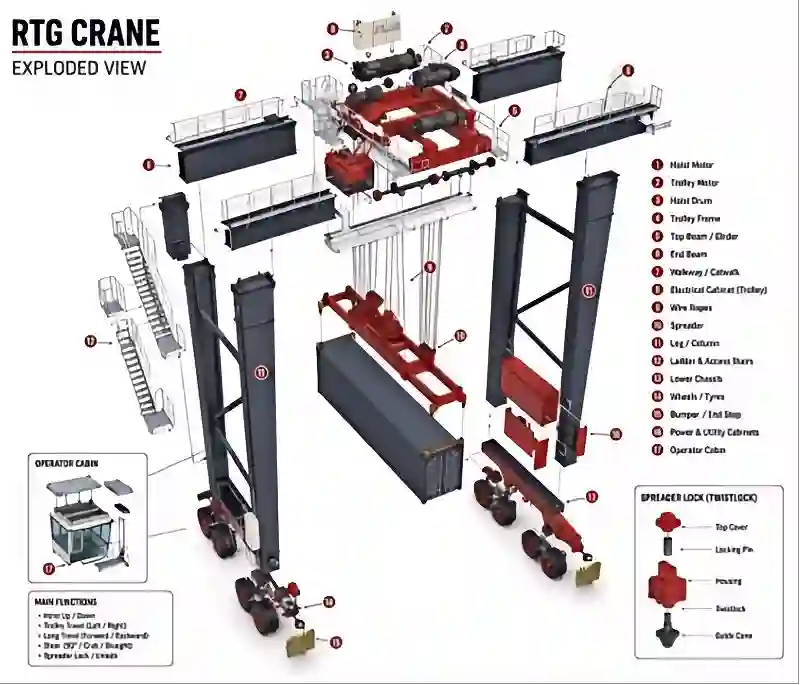
The Nucleon rubber tyred container gantry crane uses a double-girder portal structure. The main girder spans multiple container rows and a service lane, while the legs are mounted on multi-wheel rubber tire bogies. A trolley travels along the main girder and carries the container spreader.
Key components:
-Double-girder frame: Provides stiffness and headroom for multi-tier stacking.
-Rubber tire bogies: Enable yard mobility and distribute wheel loads.
-Trolley and hoisting mechanism: Positions and lifts containers over stacks.
-Container spreader: Handles 20 ft, 40 ft, and 45 ft containers; fixed or telescopic options depend on specification.
-Diesel generator set: Supplies onboard power for independent operation.
-Cable reel system: Enables connection to fixed yard power.
Typical Applications
-Container port yards for stacking and transferring import/export containers.
-Inland container depots with medium throughput.
-Multimodal terminals where yard layout may change.
-Temporary or expanding yards that do not justify permanent rail infrastructure.
-Heavy-lift industrial yards when configured with suitable lifting attachments.
Capacity, Span, and Lifting Height
The crane supports capacities from 30 to 65 tonnes and lifting heights up to 60 metres, depending on project specification. Selection should be based on yard layout and operating targets.
Important factors:
-Container size mix: Mixed 20 ft, 40 ft, and 45 ft operations usually benefit from telescopic spreaders.
-Stacking height: More tiers increase lifting height, structural stiffness, and wind-load sensitivity.
-Span: Must cover the required number of container rows plus a truck or service lane.
-Wheel load and pavement: Yard surface must support tire ground pressure.
-Duty cycle: High-frequency operations require robust hoisting and traveling mechanisms.
Exact span, lifting height, and speed parameters should be confirmed against the project layout and Nucleon’s technical documentation.
Power Supply Options
-Diesel generator set: Suitable for yards without fixed power or for cranes that frequently relocate.
-Cable reel system: Suitable for electrified yards, reducing fuel consumption and emissions.
-Dual-mode operation: The diesel generator can serve as backup power or support relocation when cable power is unavailable.
The best configuration depends on yard electrification, energy costs, emission requirements, and operating hours.
Steering and Mobility
The crane typically supports multiple steering modes:
-Straight travel for normal stacking operations.
-Angled travel for fine positioning.
-90-degree turning for lane changes and block transfers.
Steering is normally managed through a PLC-based electrical system to improve travel stability and reduce tire wear. This mobility makes the RTG suitable for terminals in phased development or with seasonal throughput changes.
Safety and Control
Typical safety provisions include:
-Overload protection.
-Travel limit switches.
-Wind speed monitoring.
-Emergency stop system.
-Anti-collision devices.
-PLC and variable-frequency control for smoother hoisting and travel.
For coastal or open-yard installations, wind-load resistance and typhoon anchoring should be evaluated during design.
Procurement Specification Checklist
Provide the following when requesting a quotation:
-Lifting capacity (SWL).
-Span and number of container rows.
-Lifting height and container tier count.
-Container sizes: 20 ft, 40 ft, 45 ft, or mixed.
-Spreader type: fixed or telescopic.
-Power supply: diesel, cable reel, or combined.
-Yard surface condition.
-Operating environment.
-Control method: cabin, remote, or pendant.
-Duty class and expected operating hours.
-Certification requirements.
-Installation, commissioning, and after-sales support needs.
Frequently Asked Questions
Q: What is a Nucleon rubber tyred container gantry crane?
A: It is a Nucleon RTG designed for container stacking and transfer in port yards and logistics terminals. It travels on rubber tires and can be powered by a diesel generator set or cable reel.
Q: What capacity does it support?
A: 30–65 tonnes, with lifting heights up to 60 metres depending on configuration. Final parameters should be confirmed for each project.
Q: Can it handle 20 ft, 40 ft, and 45 ft containers?
A: Yes. Compatible spreaders are used for standard container sizes. Telescopic spreaders are recommended for mixed-size operations.
Q: Does it need rails?
A: No. It runs on rubber tires on a paved yard surface. Proper ground preparation is still required.
Q: How is it powered?
A: By a diesel generator set, a cable reel system, or a combined arrangement where the diesel generator can serve as backup power.