






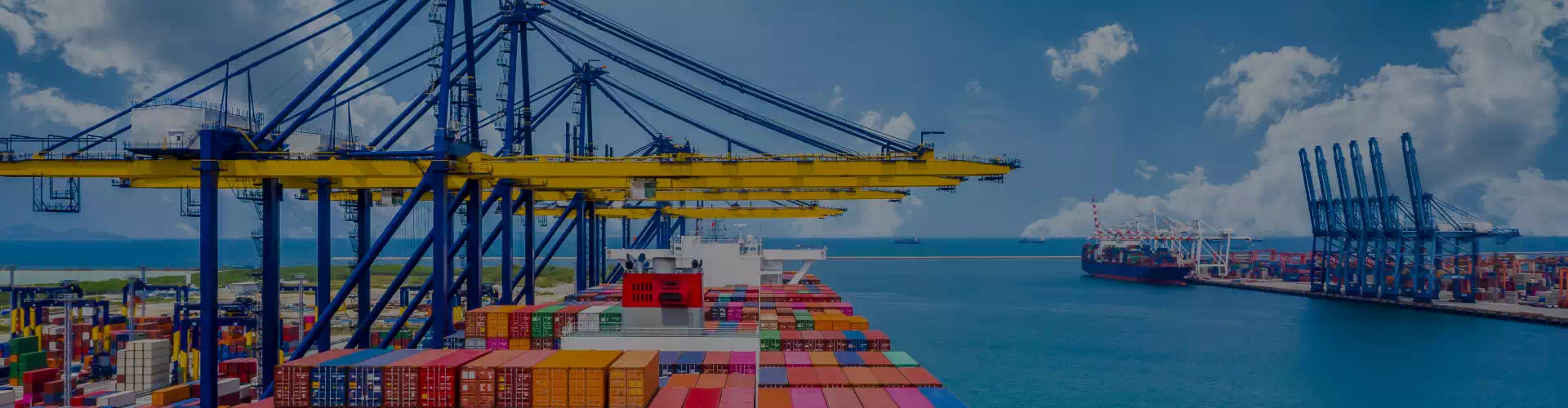
If you have ever seen a massive ship being loaded or unloaded at a busy shipping port, you have likely witnessed a Container Gantry Crane in action. These towering machines are the absolute backbone of global trade, ensuring that goods move quickly from ships to trucks, trains, and storage yards.
But what exactly is a container gantry crane, and how does it work? This comprehensive guide breaks down the basics for beginners and dives deep into the professional engineering that makes these massive machines possible.
1. What is a Container Gantry Crane? (The Basics)
In simple terms, a container gantry crane is a giant, specialized lifting machine designed exclusively to load and unload standard shipping containers from cargo vessels or transport them within a port yard.
Think of it as a massive, heavy-duty bridge. It has two main parts: a giant overhead beam (the boom) that extends out over the water to reach the ship, and a "spreader" hanging from a trolley. The spreader acts like a mechanical hand, locking onto the four corners of a container to lift it safely. Depending on the type, these cranes can lift anywhere from one to four containers at a single time!
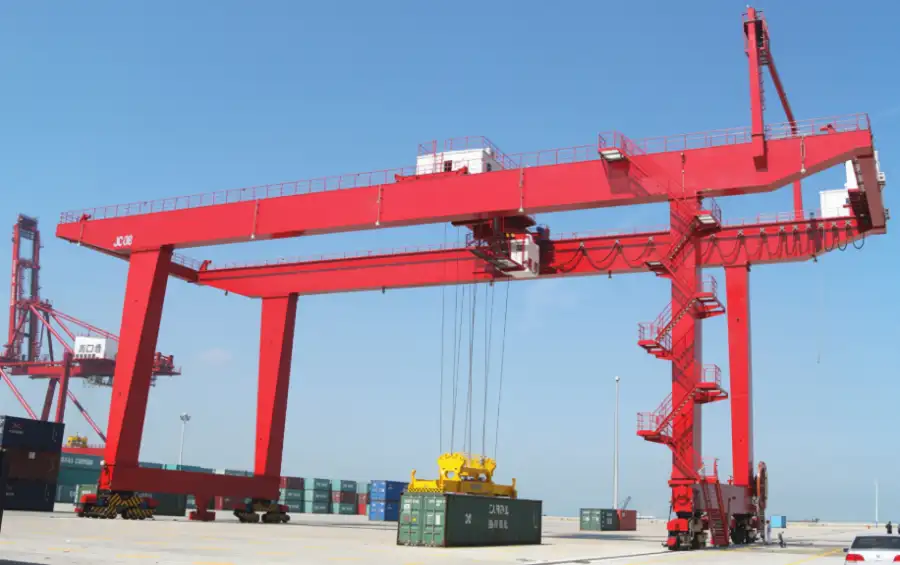
2. The Two Main Types: Shore vs. Yard
To fully understand container gantry cranes, you need to know that they are generally divided into two categories based on where they work:
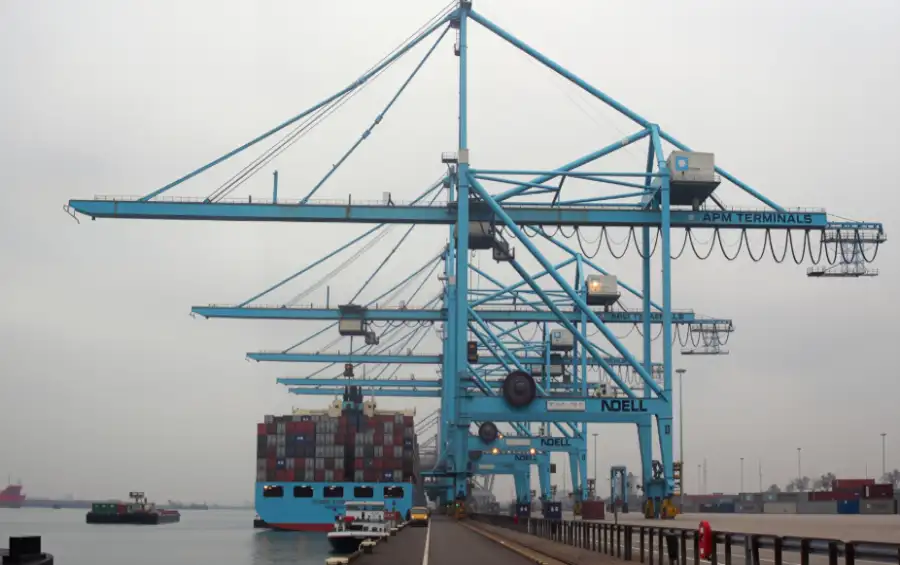
●Quay Cranes (Ship-to-Shore): These are the massive cranes sitting right at the water's edge. Their primary job is to move containers directly between the ship and the dock.
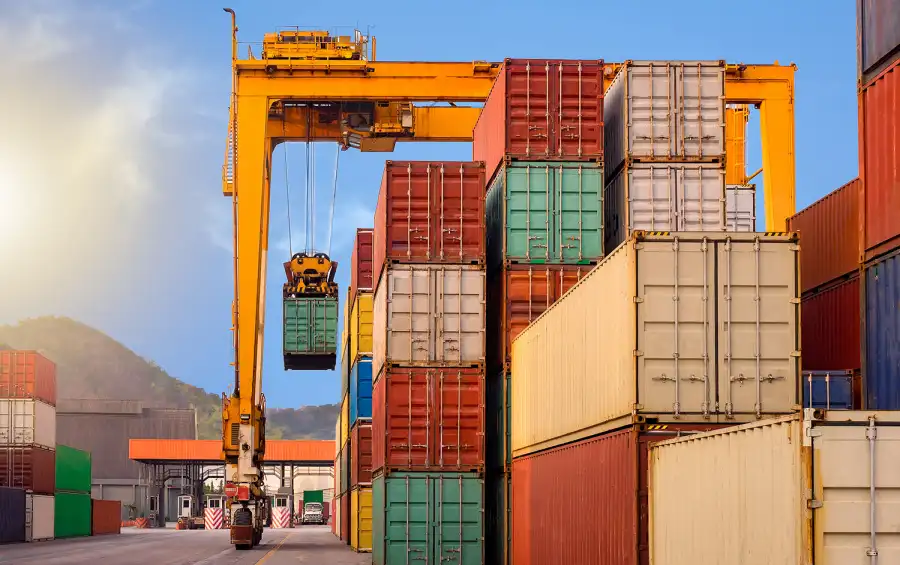
●Yard Gantry Cranes: Once a container is on land, these cranes take over. They move along the ground (either on rails or rubber tires) to stack containers in neat rows or load them onto trucks and trains.
3. Core Mechanical Components: The Anatomy of a Giant
While they look simple from the outside, container gantry cranes are marvels of heavy-duty engineering. Understanding their mechanical structure is key to appreciating their capabilities:
●Supporting Frame & Boom: The main structural skeleton holds the boom and spreader. The boom is often hinged at the water side so it can be raised or lowered depending on cargo operations or to allow ships to pass safely.
●The Spreader: This is the most critical attachment. Modern spreaders are highly intelligent; they can automatically adjust their size to fit 20-foot, 40-foot, or even 45-foot containers. Advanced models can lift up to four 20-foot containers simultaneously.
●Trolley & Hoist System: The trolley runs horizontally along the boom, carrying the hoist mechanism that lifts and lowers the containers.
●Operator Cabin: Located at the top of the supporting frame, the cabin is typically 80% transparent, giving the operator a crystal-clear, bird's-eye view of the loading and unloading operation.
4. Professional Deep Dive: RTG vs. RMG Yard Cranes
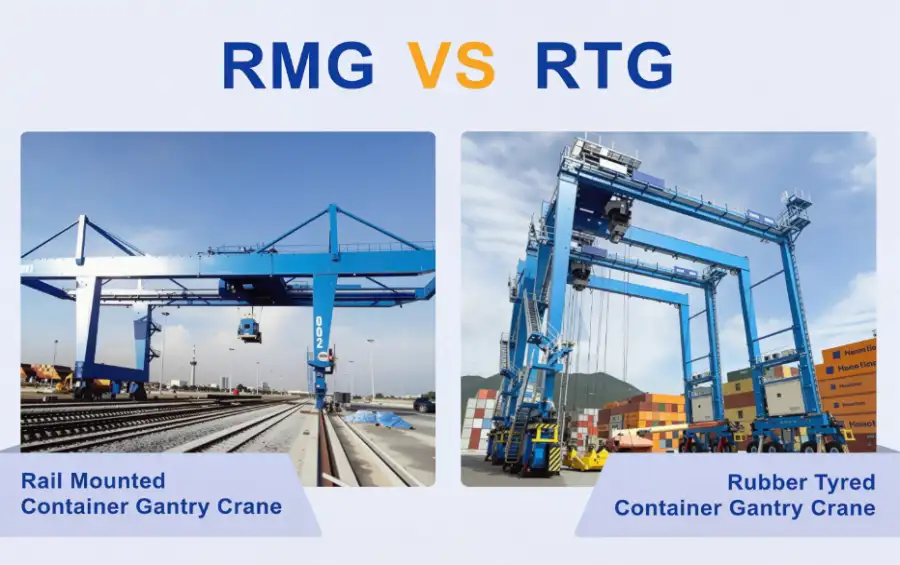
For professionals managing port logistics, choosing the right yard gantry crane is a critical strategic decision. The two most common types are Rubber-Tyred Gantry (RTG) and Rail-Mounted Gantry (RMG) cranes. They differ significantly in engineering and operational efficiency:
●Mobility vs. Precision: RTGs are supported by 8 heavy-duty rubber tires, allowing them to move freely across the yard and even transfer between different blocks. RMGs, on the other hand, run on fixed steel rails. While RMGs lack mobility, they offer superior precision, making them ideal for high-density stacking and automated operations.
●Power & Environmental Impact: RTGs traditionally rely on onboard diesel generators, offering flexibility but producing emissions. RMGs are typically powered by AC shore power (ranging from 4000 to 13500 volts), making them highly energy-efficient, environmentally friendly, and much quieter.
●Automation & Maintenance: Because RMGs operate on fixed tracks, they are much easier to integrate with computerized Terminal Operating Systems (TOS) for full automation. Furthermore, RMGs generally boast a longer lifespan (around 25 years compared to 15 years for RTGs) and significantly lower maintenance costs.
5. Critical Safety and Communication Protocols
Operating a container gantry crane requires extreme precision. A single mistake can cause millions of dollars in damage. Therefore, seamless communication between the crane operator, stevedores, and shore staff is mandatory.
Modern cranes are equipped with advanced safety protocols, including twist-lock mechanisms that securely engage the container's corner castings before lifting. Furthermore, operators must constantly monitor the ship's stability during loading, ensuring containers are placed exactly according to the digital cargo plan.
Frequently Asked Questions
Q1: How many containers can a gantry crane lift at once?
A: It depends on the crane's design and the container sizes. While standard operations lift one 40-foot container at a time, modern spreaders can be configured to lift up to four 20-foot containers simultaneously to maximize efficiency.
Q2: What powers a container gantry crane?
A: Shore-side cranes and RMGs are typically powered by high-voltage AC shore electrical supplies (e.g., 4000V to 13500V). RTGs traditionally use diesel generators, though hybrid and fully electric RTGs are becoming increasingly popular.
Q3: Why is communication so important during crane operations?
A: Because of the massive scale and speed of operations, proper communication prevents catastrophic accidents. Both ship and shore staff must be highly alert to coordinate the exact placement of containers, ensuring the vessel remains balanced and safe.
Contact Us
●Custom Terminal Solutions: We’ll evaluate your throughput requirements to recommend the optimal crane configuration.
●Automation Integration: Ask us about integrating our cranes with your existing Terminal Operating System for seamless workflows.
●Global Lifecycle Support: Enjoy peace of mind with our expert installation guidance, operator training, and spare parts supply.