
 English
 Español
 Русский
 العربية
 Français
 Deutsch
 Português
 Tiếng Việt
 ไทย
 Bahasa Indonesia
 Türkçe
 Italiano





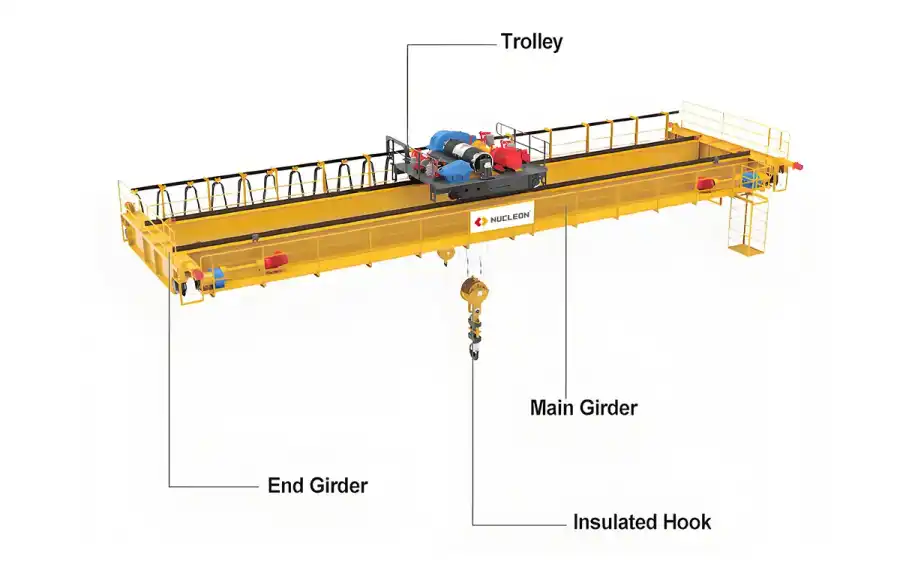
The insulation overhead crane is a specialized lifting system engineered exclusively for non-ferrous metal electrolysis and smelting facilities. Unlike standard material handling equipment, its primary design objective is to establish a continuous, high-resistance dielectric barrier between the lifted load and the crane structure. This prevents high-amperage stray currents from energizing the crane, protecting both personnel and sensitive electronic components from catastrophic short circuits.
These cranes are deployed in aluminum, magnesium, lead, zinc, and copper production lines where they operate in direct proximity to electrolytic cells. The engineering challenge in these environments is not merely lifting capacity, but surviving simultaneous exposure to high-voltage direct current (DC), extreme thermal radiation, and highly corrosive chemical atmospheres.
Three-Level Dielectric Isolation System
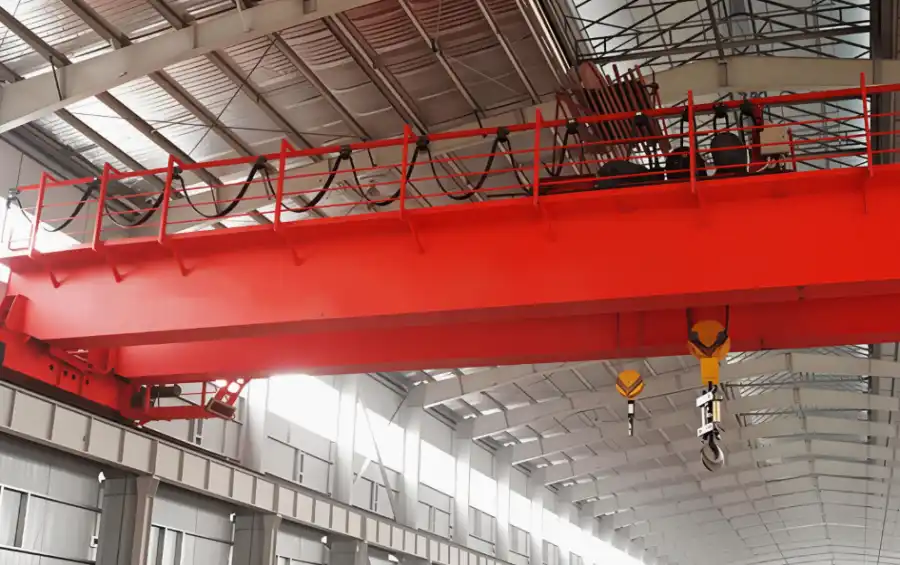
The safety architecture of an insulation overhead crane relies on a three-stage isolation system designed to break the conductive path from the electrolytic cell to the crane's main structure:
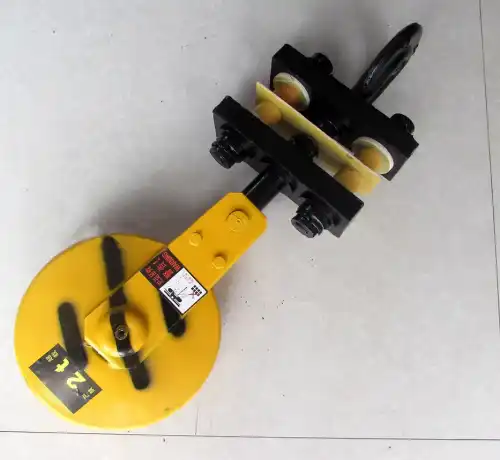
1.Hook-to-Rope Isolation: The primary barrier is located at the lifting point. The hook beam is separated from the pulley block using high-strength composite insulating sleeves and washers. This prevents current from the suspended load (which may contact molten metal or electrolyte) from traveling up the wire rope.
2.Hoist-to-Trolley Isolation: The second barrier isolates the hoisting assembly from the trolley frame. Insulating pads and bushings are installed at motor mounts, reducer bases, and brake brackets. This ensures that electrical faults in the hoist cannot transfer to the trolley's mechanical structure.
3.Trolley-to-Bridge Isolation: The final barrier protects the main girders and operator cabin. Insulating components are placed between the trolley wheels and the main beam rails, ensuring the crane's primary structure remains at ground potential.
Industry standards require each insulation stage to maintain a resistance of no less than 1.0 MΩ when measured at 20°C–25°C with relative humidity ≤85%.
Environmental Adaptation for Smelting Facilities
Electrolysis workshops present unique engineering challenges that dictate material selection and component protection:
Thermal Shielding: Electrolytic cells operate at temperatures approaching 900°C. Cranes require dedicated thermal shielding and heat-insulating plates beneath the main girder and around electrical cabinets to prevent structural steel degradation and electronic failure.
Chemical Resistance: Aluminum electrolysis generates hydrogen fluoride gas; lead smelting produces sulfuric acid vapors. These corrosive agents, combined with conductive carbon or aluminum dust, degrade standard insulation. Equipment must utilize epoxy-resin laminated boards and high-protection enclosures (IP54+) to prevent insulation breakdown.
Non-Magnetic Components: Potlines carrying currents exceeding 150 kA create intense magnetic fields. The lifting hook and spreader must be manufactured from non-magnetic stainless steel (e.g., 1Cr18Ni9Ti) to prevent induced eddy currents, excessive heating, and magnetic interference with control systems.
Procurement and Technical Selection Criteria
When specifying an insulation overhead crane, engineers must evaluate parameters specific to electrolysis operations:
Working Class and Duty Cycle: Electrolysis operations demand continuous, heavy-duty lifting. These cranes typically fall under working classes A5 through A7, featuring double-girder box structures and dual-braking hoisting mechanisms for safe, uninterrupted operation.
Material Certification: Buyers must require certified test reports for all insulation materials, verifying both dielectric strength and mechanical bending strength. Thermosetting resin tubes compliant with IEC 61212 are standard for high-stress insulation points.
Cabin Grounding Protocol: While the crane structure is insulated, the operator's cabin must be reliably bonded to the main bridge frame and grounded. This ensures the cabin remains at the same electrical potential as the ground, eliminating shock hazards.
Frequently Asked Questions
Q1: What is the minimum insulation resistance required for an insulation overhead crane?
A: Each of the three isolation stages must maintain at least 1.0 MΩ resistance when measured with a 1000V megohmmeter under standard conditions (20°C–25°C, ≤85% RH).
Q2: Why are non-magnetic materials required for the lifting hook?
A: High-amperage DC currents in potlines generate intense magnetic fields. Standard ferromagnetic steel hooks would develop induced eddy currents, causing excessive heating and potential control system interference. Non-magnetic stainless steel prevents this hazard.
Q3: Can a standard overhead crane be retrofitted with insulation for smelting use?
A: Retrofitting is not recommended. Proper insulation requires structural integration of dielectric barriers at the hook, hoist mounts, and trolley interfaces during manufacturing. Adding surface pads to a standard crane cannot provide adequate protection or withstand the corrosive, high-temperature electrolysis environment.